
special glass cutting
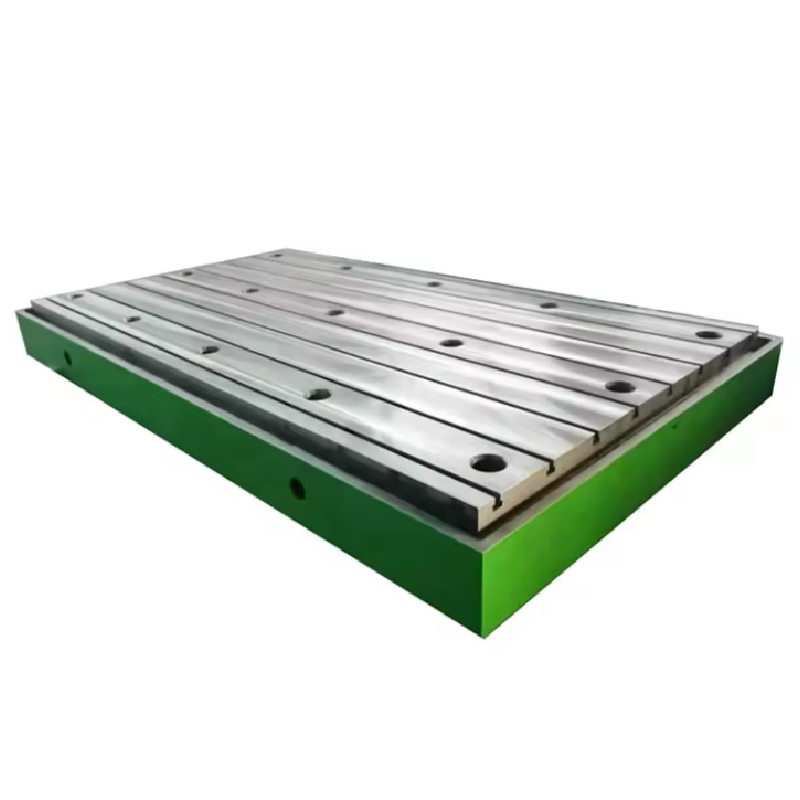
A spirit level, often referred to as a bubble level, is an essential tool used in construction, carpentry, and various DIY projects. It serves a fundamental purpose to determine whether a surface is horizontal (level) or vertical (plumb). Understanding how a spirit level works and its applications can enhance the precision and quality of any building project. . Spirit levels come in various sizes and designs, including the traditional long level, the torpedo level for tight spaces, and the digital level that provides precise measurements. Longer levels are particularly beneficial for larger surfaces, such as when checking the alignment of walls or floors, while shorter levels are ideal for smaller projects such as hanging shelves or pictures. spirit level is used for Using a spirit level has numerous benefits. First and foremost, it enhances accuracy, which is crucial in construction and carpentry as even slight misalignments can lead to structural issues or aesthetic problems. Additionally, leveling helps to ensure that doors and windows open and close smoothly, and that furniture is stable, preventing accidents. In professional settings, spirit levels are indispensable tools that contribute to high-quality workmanship. Builders rely on them for everything from framing structures to tiling floors. However, even those undertaking simple home improvement projects can benefit from a spirit level's straightforward functionality. In summary, a spirit level is more than just a simple tool; it is a vital instrument that ensures the integrity and aesthetic appeal of any construction or home improvement task. By providing quick and accurate measurements, spirit levels help users create balanced, professional-looking results, making it an indispensable tool for both novice DIYers and seasoned professionals alike. Whether you are building a new deck, installing kitchen cabinets, or hanging art, having a reliable spirit level on hand can make all the difference in achieving your desired outcome.
about
special glass cutting
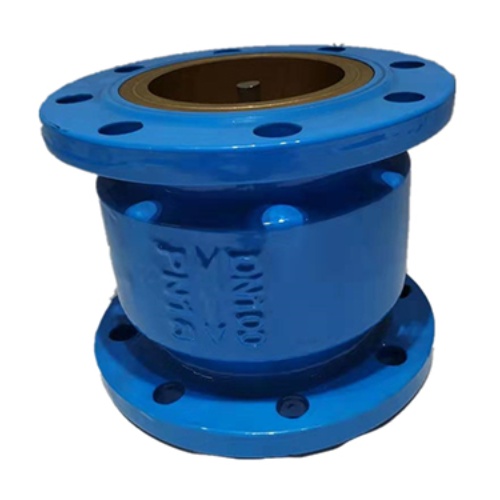
Understanding Pump Check Valves Importance and Functionality In various industrial and commercial applications, the effectiveness and efficiency of fluid transfer systems hinge significantly on the components used within them. Among these components, pump check valves play a critical role in ensuring proper functionality. This article delves into the significance of pump check valves, how they work, and their applications across different industries. What is a Pump Check Valve? A pump check valve is a type of one-way valve that allows fluid to flow in only one direction—forward—while automatically preventing backflow. This characteristic is crucial for systems that involve pumping fluids, as backflow can cause damage to the pump, reduce efficiency, and lead to potential safety hazards. Check valves come in various designs, such as swing check valves, lift check valves, and diaphragm check valves. Each type has a specific mechanism that suits different operational demands, but all serve the primary purpose of ensuring unidirectional flow. How Do Pump Check Valves Work? The operation of a pump check valve is relatively straightforward. When the pump is activated, the pressure of the fluid opens the valve, allowing it to flow through the system. When the pump is turned off or if there is a drop in pressure, the internal mechanism closes the valve, preventing any backflow. This action helps maintain system integrity and ensures that the fluid reaches its intended destination without regression into the pump or other components. The design of the check valve—regardless of type—ensures that it can withstand the pressures and dynamics of the fluid flow. Materials used in manufacturing these valves vary, and they may include stainless steel, brass, and plastic, depending on the application's chemical compatibility and pressure requirements. Importance of Pump Check Valves The significance of pump check valves extends across a multitude of reasons 1. Protection of Equipment By preventing backflow, pump check valves protect the pump and other system components from damage. Frequent backflow can cause wear and tear, leading to costly repairs and inefficiencies. pump check valve 2. Improved System Efficiency By ensuring that fluids flow in a single direction, these valves contribute to the overall efficiency of the pumping system. This efficiency translates into reduced energy consumption and enhanced performance. 3. Safety Assurance Properly functioning check valves guard against unexpected surges in pressure or fluid reversal, which can be hazardous in certain applications. They are particularly critical in systems dealing with volatile or hazardous materials. 4. Regulatory Compliance Many industries are governed by strict regulations regarding equipment and safety standards. Installing reliable check valves can ensure compliance with these regulations, mitigating legal and financial risks. Applications Across Industries Pump check valves can be found in a wide range of industries, each benefiting from their unique functionalities - Water and Wastewater Management Check valves are pivotal in municipal water systems and wastewater treatment plants to prevent contamination and ensure the integrity of the water supply. - Chemical Processing In the chemical industry, maintaining the flow direction of reactive substances is essential to minimize hazardous situations, making check valves indispensable. - Oil and Gas Pump check valves play a critical role in maintaining flow direction in oil pipelines, preventing backflow that could disrupt operations or cause spills. - Food and Beverage In this industry, check valves are employed to ensure sanitary flow conditions, preventing backflow that could lead to contamination. Conclusion In summary, pump check valves are vital components in fluid transfer systems, providing essential benefits such as protection, efficiency, and safety. Their simplicity in design belies their importance, as they contribute significantly to the reliability and functionality of various industrial applications. Understanding their role is crucial for engineers, operators, and maintenance personnel aiming to optimize system performance and ensure safe operations in any liquid handling process. As industries continue to evolve, the relevance of pump check valves will undoubtedly remain robust, necessitating ongoing attention to their selection, installation, and maintenance.
-

High quality industrial productsagement

High quality industrial products
View Details -

Meet the diverse needs of customers

Meet the diverse needs of customers
View Details -

Strict quality control

Strict quality control
View Details -

Top raw materials

Top raw materials
View Details -

Trusted supplier

Trusted supplier
View Details
Our application


news and information
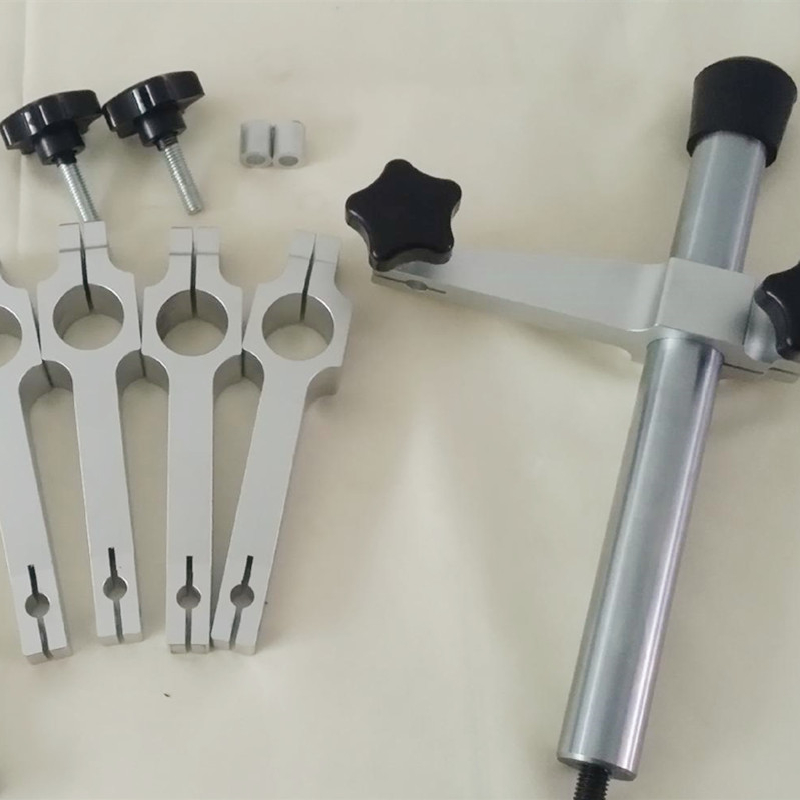
Versatile Tools for Establishing Precise Right Angles in Various Projects
The Right Angle Ruler Tool A Cornerstone for Precision in Drafting and Construction The right angle
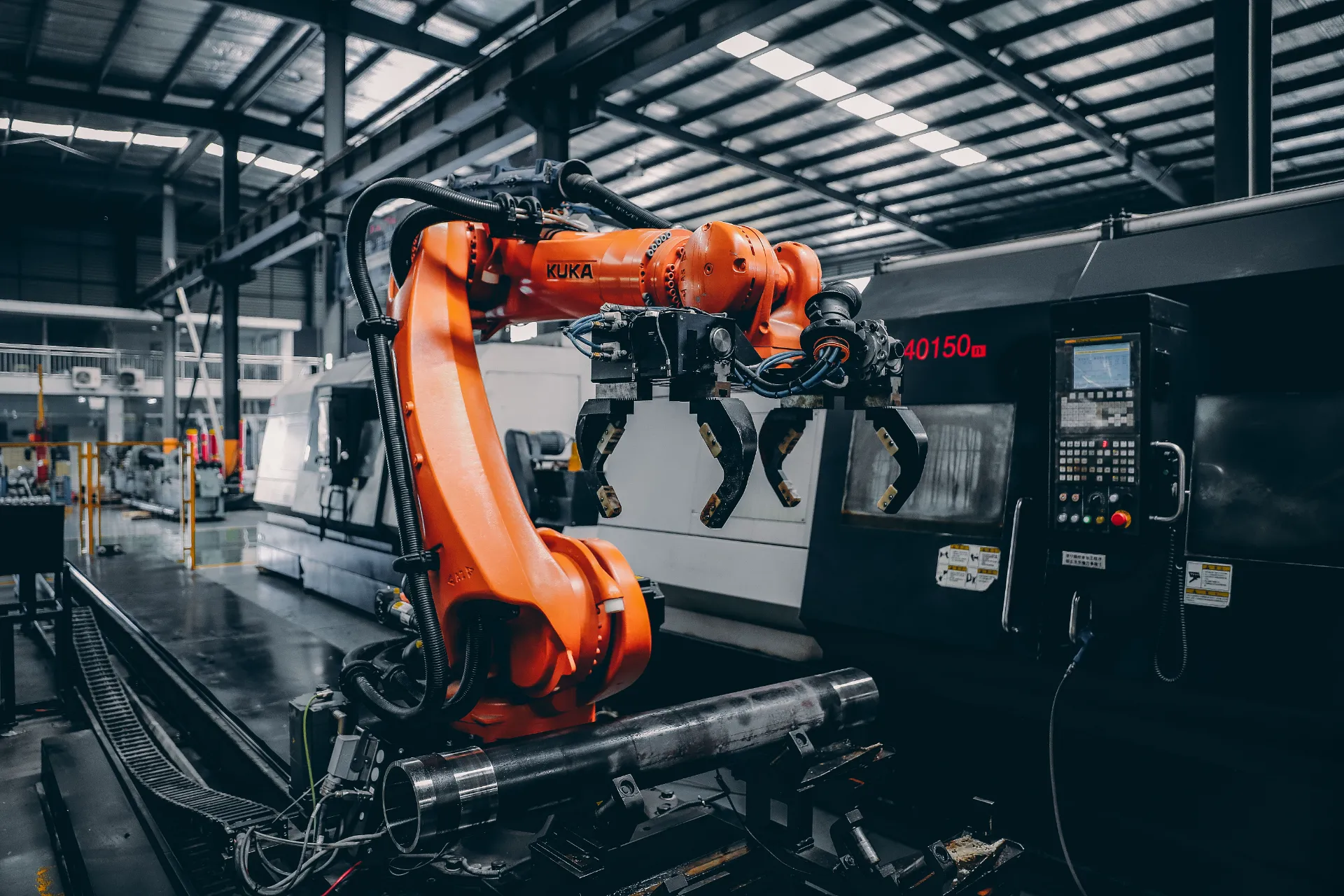
Vibration Isolation Pads for Enhanced Equipment Performance and Longevity
Understanding Vibration Mounting Pads Importance and Applications Vibration isolation is a critical
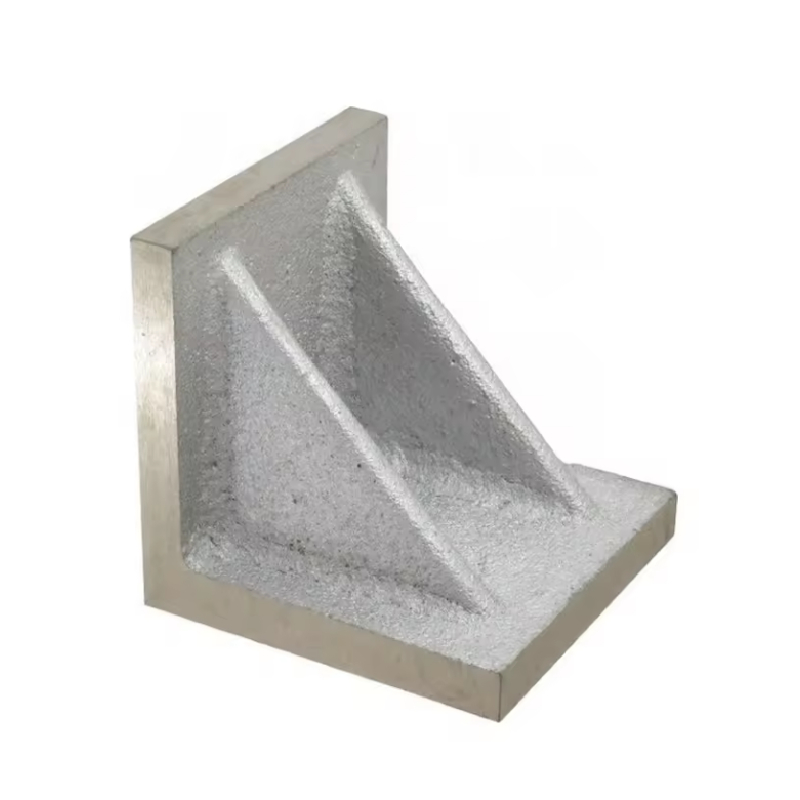
Versatile Ground Anchors for Enhanced Stability and Adaptability in Various Applications
The Versatility and Importance of Adjustable Ground Anchors Ground anchors have long been an essenti
 English